WhatsApp vs SMS vs Email Marketing: Which Is Best? A Data-Driven Comparison
A comprehensive comparison of WhatsApp, SMS, and email marketing covering open rates, costs, engagement, and ROI.
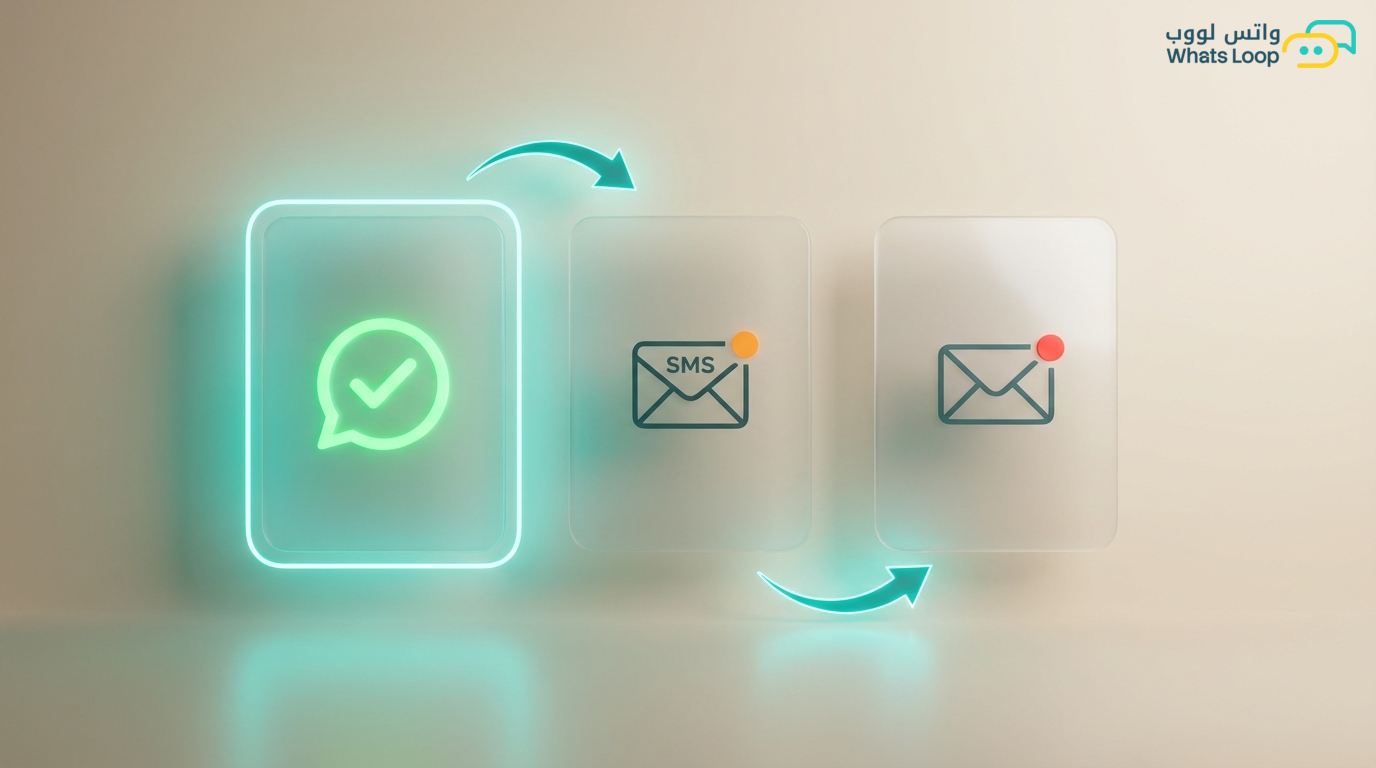
WhatsApp vs SMS vs Email Marketing: A Data-Driven Comparison
Every day, business owners in Saudi Arabia ask the same question: "Where should I spend my direct marketing budget: WhatsApp, SMS, or email?" The answer is not simple because each channel has strengths and weaknesses. But the numbers are clear: WhatsApp leads in almost every metric in the Saudi market. Let us look at the complete data-driven comparison.
The Comprehensive Numbers Comparison
| Metric | SMS | ||
|---|---|---|---|
| Open rate | Very high | High | Low |
| Click rate | High | Medium | Low |
| Response rate | Very high | Low | Very low |
| Read speed | 3-5 minutes | 5-10 minutes | Hours - days |
| Cost per message (Saudi) | Varies by category | Varies by provider | Very low |
| Rich media | Images, video, buttons, PDF | Text only (160 chars) | Full HTML |
| Two-way interaction | Instant conversation | Very limited | Slow |
| Conversion rate | High | Medium | Low |
The numbers speak for themselves: WhatsApp wins in 6 out of 8 metrics. Email is cheaper, but what good is a cheap message if nobody reads it?
Detailed Analysis of Each Channel
WhatsApp: Strongest in Engagement and Conversion
Strengths:
- Highest read rate: nearly every message is opened and read
- Two-way conversation: customers can ask questions instantly, increasing conversions significantly
- Rich media: send product images, video, catalogs, purchase buttons
- Advanced automation: smart bots + drip campaigns + quick replies
- Consumer trust: in Saudi Arabia, 3 out of 4 consumers trust brands that communicate via WhatsApp more
Weaknesses:
- Requires prior consent (opt-in)، you cannot message any number
- Higher cost per message than email
- Strict policies from Meta where templates must be approved
- Ban risk if you do not follow the rules
SMS: Fast and Guaranteed
Strengths:
- No internet required: reaches even non-smartphones
- Full coverage: every phone number can receive SMS
- Instant delivery: almost immediate
- Simplicity: no design or media needed
- Ideal for OTP and urgent notifications
Weaknesses:
- Only 160 characters: not enough for a detailed offer
- No media: no images, buttons, or video
- High cost: especially for bulk messages in Saudi Arabia
- High unsubscribe rate: a significant portion of Saudis consider marketing SMS annoying
- No interaction: one-way only
Email: Cheapest and Most Comprehensive
Strengths:
- Lowest cost: very low per-message cost
- Rich content: full HTML, images, tables, designs
- No length limit: you can send a complete newsletter
- Detailed analytics: track opens, clicks, and conversions
- Ideal for long-form content like newsletters and reports
Weaknesses:
- Low open rate: most messages go unread
- Spam filters: a significant portion of emails never arrive
- Slow engagement: customers may read the email days later
- In Saudi Arabia specifically: marketing email open rate is low, below the global average
When to Use Each Channel
The smart answer: use all three but for different purposes.
Use WhatsApp for:
- Offers and promotions where you want immediate response
- Customer service and support
- Drip campaigns and lead nurturing
- Order and shipping notifications
- Messages requiring interaction (surveys, bookings)
Use SMS for:
- Verification codes (OTP)
- Urgent and critical alerts
- Short appointment reminders
- Targeting customers without WhatsApp (rare in Saudi Arabia)
Use email for:
- Periodic newsletters and long-form content
- Detailed reports and invoices
- Educational content and guides
- Official communications and contracts
Case Study: A Saudi Store Using All Three Channels
An e-commerce store in Jeddah tested sending the same White Friday offer across all three channels to the same customers:
| Metric | SMS | ||
|---|---|---|---|
| Recipients | 5,000 | 5,000 | 5,000 |
| Open rate | Very high | High | Low |
| Click rate | High | Low | Low |
| Orders | Highest | Moderate | Lowest |
| Revenue | Highest | Moderate | Low |
| Campaign cost | Moderate | Moderate | Low |
| ROI | Very high | Moderate | High (due to low cost) |
WhatsApp generated significantly more revenue than SMS and email despite similar per-message costs to SMS.
Calculating Return on Investment (ROI)
Let us calculate for a 10,000-message campaign:
WhatsApp:
- Cost: varies by conversation category and region
- Expected orders: highest conversion rate among the three channels
- Revenue: highest absolute revenue
SMS:
- Cost: varies by provider and volume
- Expected orders: moderate conversion rate
- Revenue: moderate
Email:
- Cost: very low per message
- Expected orders: lowest conversion rate
- Revenue: lowest
Email may win in relative ROI because its cost is extremely low. But WhatsApp wins in absolute revenue، which is what actually lands in your bank account.
The Optimal Strategy: Integrated Channels
The smartest approach: use WhatsLoop as your primary hub, supported by other channels:
- Email for awareness building and educational content
- WhatsApp for conversions, sales, and support
- SMS for urgent notifications and verification
WhatsLoop supports multi-channel messaging and you can manage WhatsApp and email from the same dashboard.
The Bottom Line
If you must choose one channel in Saudi Arabia, choose WhatsApp. If you can use multiple channels, use WhatsApp as your primary channel supported by email and SMS.
Try WhatsLoop free and see the difference for yourself.
Frequently Asked Questions
Q: Can WhatsApp completely replace email and SMS for marketing? A: No, the optimal strategy is to use all three channels for different purposes. WhatsApp excels at direct marketing, sales, and customer support. Email is best for long-form content and newsletters. SMS is ideal for verification codes and urgent alerts.
Q: Why is WhatsApp more expensive per message than email but delivers better ROI? A: Because WhatsApp's read and engagement rates are far higher than email. Email is cheaper per message but most emails go unread, while WhatsApp messages are read within minutes and achieve much higher conversion rates that more than compensate for the cost difference.
Q: Is SMS still useful in the Saudi market alongside WhatsApp? A: Yes, but for limited uses such as verification codes, urgent alerts, and short reminders. For direct marketing, WhatsApp is clearly superior because it supports rich media, interactive buttons, and two-way conversation.
Q: How can I manage WhatsApp and email campaigns from one place? A: WhatsLoop supports multi-channel messaging from the same dashboard. You can manage WhatsApp and email campaigns and track performance for each channel from a single interface without needing separate tools.
Q: Which channel is best for customer service: WhatsApp, email, or SMS? A: WhatsApp is the best channel for customer service because it supports instant conversation, rich media, and automation. Customers can easily send photos, explain their issues, and receive quick responses from your team or from an intelligent bot.