WhatsApp for Dental Clinics: A Practical Guide to Booking and Fewer No-Shows
Most dental no-shows come from a forgotten appointment, and a simple WhatsApp reminder cuts them clearly. This is a practical guide to booking, reminders, and post-treatment follow-up.
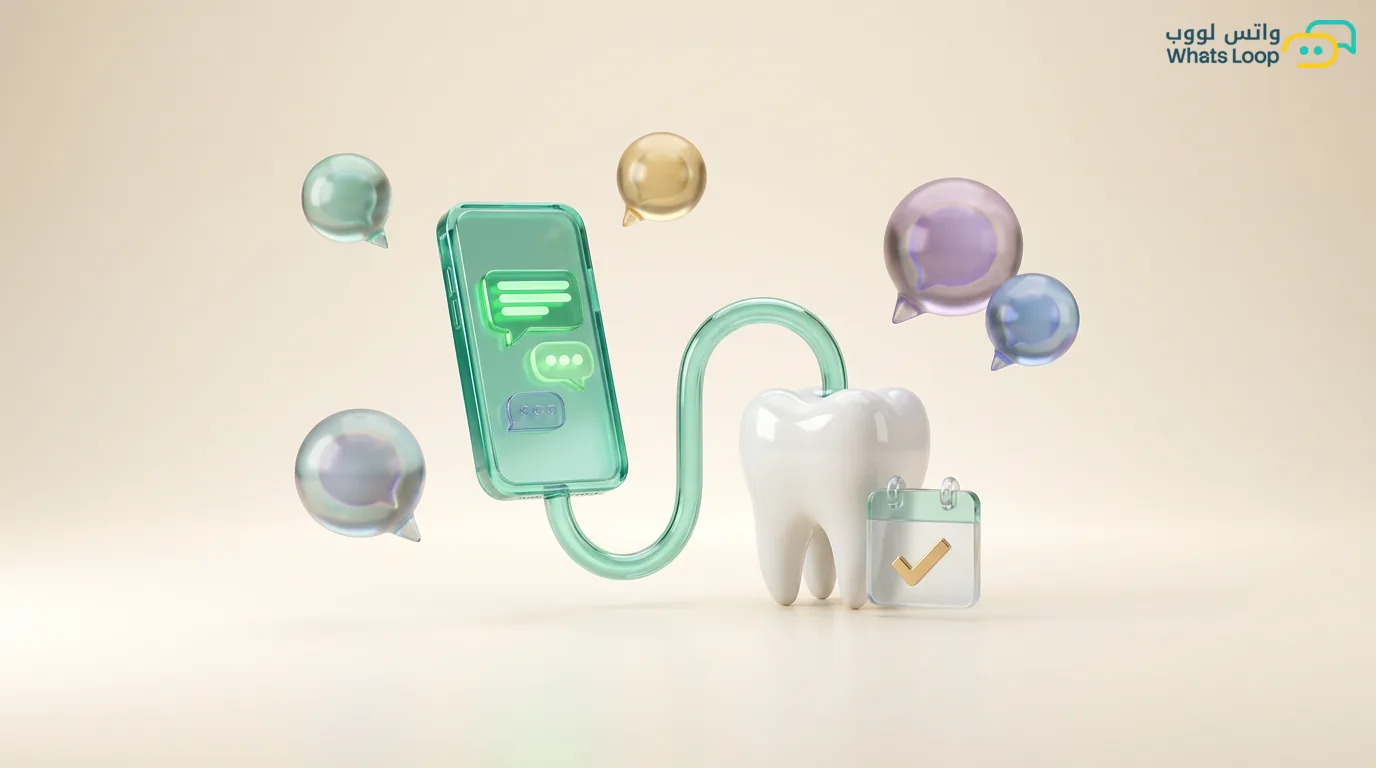
Short answer: WhatsApp lets a dental clinic handle booking, reminders, and follow-up in one channel patients actually open and read, so no-shows drop and the front desk handles fewer calls, while every medical decision stays with the dentist.
Most dental clinics share the same pain: booked slots no one shows up for, a reception phone that never stops ringing, and patients who just want to ask one quick question after an extraction or cleaning. WhatsApp solves much of this because message open rates are very high compared to phone calls or email, so the message arrives and gets read fast.
Booking Appointments Over WhatsApp
Instead of hunting for the clinic number and calling during the busy hours, a patient sends one message and starts booking. You can connect a WhatsApp bot that asks ordered questions: name, visit type (checkup, cleaning, braces, cosmetic), and preferred time, then shows the open slots. This cuts the back and forth and saves reception real time.
The practical approach is to let the bot collect the basics only, then route anything that needs detail to a human. A patient booking a routine cleaning finishes automatically, while a patient reporting sharp pain reaches staff directly for priority. Have the system lock the slot in the clinic calendar so you never get a double booking on the same chair.
Reminders and Fewer No-Shows
This is the point that puts money straight back into the clinic. An empty chair from a missed appointment is a direct loss, and a large share of no-shows comes from simple forgetting, not a deliberate cancellation. A reminder a day before plus another two hours before lowers no-shows noticeably.
Give the reminder a confirm button and a reschedule button, so a patient who can no longer come cancels early and gives you a chance to fill the slot. That is far better than silence and a vanished patient. The table below shows the sensible message timing:
| Message timing | Goal | Suggested content |
|---|---|---|
| At booking | Lock the slot | Confirm date, time, and dentist name |
| 24 hours before | Reduce forgetting | Reminder with confirm or reschedule button |
| 2 hours before | Secure attendance | Clinic location and a note to arrive 10 minutes early |
| After a no-show | Recover the patient | A polite alternative slot with no pressure |
The key is to respect the patient's wishes, so if someone asks to stop reminders, honor it and log it, because spamming hurts reputation more than it helps.
Post-Treatment Follow-Up
After an extraction, a root canal, or an implant, the patient usually has questions at home: when bleeding stops, what to eat, when to come back for review. A follow-up message a day later reassures the patient and gives clear instructions, which raises satisfaction and reduces repeat calls to reception.
Keep the follow-up educational and general only, meaning the well-known aftercare tips plus a reminder to come back if pain or swelling increases. Never let the system diagnose or prescribe, because any abnormal complaint must reach the dentist. The right balance is reassuring information automatically, with any case needing a medical opinion handed to a human at once.
Braces and Cosmetic Offers
Cosmetic services like braces, whitening, and a Hollywood smile carry a high marketing budget, and WhatsApp is an excellent channel to follow up with interested patients. When someone asks about braces pricing, have the system send a short explanation of the options and book an evaluation consultation rather than quoting a final price remotely, because the price depends on the exam.
You can build a list of patients interested in cosmetics and send them a respectful seasonal offer, provided they agreed to receive marketing messages. Stay honest in your advertising: no exaggerated result promises, and no before-and-after photos without the owner's consent. In dentistry, reputation is worth more than any quick campaign.
Auto Reply After Hours
Most people think about their teeth at night after they finish work, when the clinic is closed. An auto reply that states the working hours, takes a booking request, and answers common questions (location, accepted insurers, rough checkup price) keeps the patient until the clinic opens.
The key is honesty: the auto reply should say it is automated, give an expected human response time, and never claim to be a dentist. Connecting the WhatsApp API to the clinic system lets night requests wait in a queue and get handled first thing in order, so no patient is lost.
Handling Emergencies
Severe tooth pain will not wait, and a patient who writes that they are in serious pain must get immediate priority. Have the system flag words like severe pain, swelling, or bleeding that won't stop and escalate the chat at once to a human or an emergency number, without trapping the patient in a list of automated questions.
This is the most human side of the whole thing: automation serves routine cases, and emergencies break the queue and reach a person fast. Do not leave a patient in pain waiting on a bot, because it harms their health and your reputation.
Start With One Simple Step
You do not have to roll out everything at once. Start with appointment reminders because that is the fastest way to recover money, then add automated booking, then post-treatment follow-up. Each step takes pressure off reception and improves the patient experience. If you want to see how to connect all of this to your clinic, the WhatsLoop team is ready to help you start in an organized way.